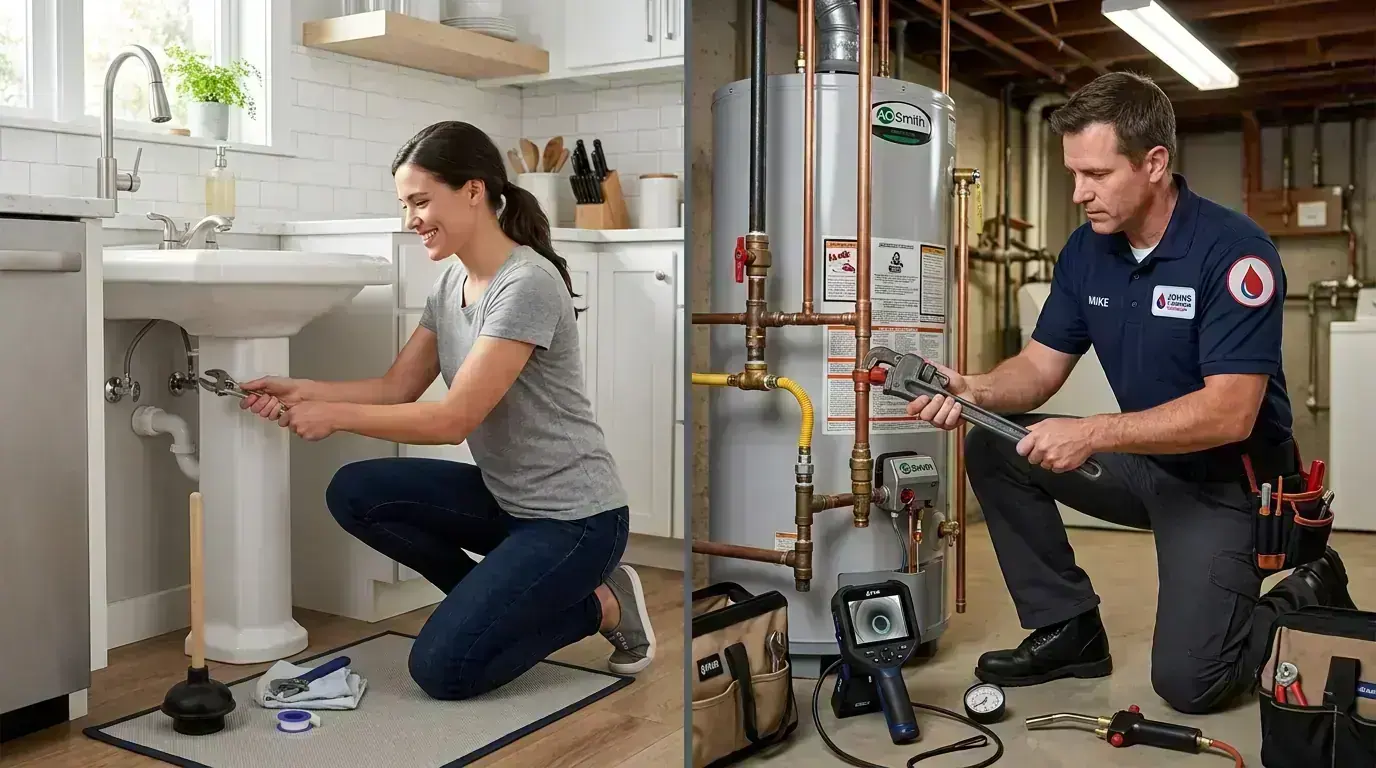
Johns Plumbing Michigan provides comprehensive residential plumbing services throughout Lincoln Park, Wayne County, covering emergency through routine work across all major systems. Our licensed technicians handle drain and sewer line services, water heater repair and replacement, leak detection and pipe repair, fixture installation, and gas line work in the 48146 ZIP code. Below is detailed coverage of each service category, methods used, and when Lincoln Park homeowners typically need each service.
Drain Cleaning & Clog Removal Services in Lincoln Park
Lincoln Park homes built before 1950 often have corroded cast iron drains where interior rust creates rough surfaces that catch debris and cause recurring blockages. We address kitchen sink, bathroom sink and tub, shower, toilet, main sewer line, and floor drain clogs using cable snaking for localized blockages and hydro jetting for heavy buildup or grease accumulation.
Cable snaking (also called augering) works for simple clogs within 50 feet of the access point, hair in bathroom drains, food waste in kitchen lines, or toilet paper buildups. The rotating cable breaks through the obstruction and clears the immediate blockage.
When drains have scale buildup, grease coating the pipe walls, or multiple slow fixtures, hydro jetting becomes necessary. High-pressure water streams (up to 4,000 PSI) scour pipe interiors clean, removing years of accumulated grime that cable snaking cannot address.
Video camera inspection reveals what's happening inside your drain lines, whether you're dealing with a localized clog, corroded cast iron sections that need replacement, or tree root intrusion at the main line connection. For homes in Lincoln Park's older neighborhoods with mature parkway trees, roots infiltrate clay sewer laterals through cracks, requiring hydro jetting to clear root masses followed by section replacement or trenchless lining to prevent recurrence.
Multiple slow drains throughout your home indicate a main line issue rather than individual fixture clogs. Don't waste money on repeated sink or tub cleanings when the problem sits in your sewer lateral.
Gurgling sounds when you flush toilets or drain sinks signal air displacement from partial blockages downstream. Call (313) 736-9553 for camera inspection when you notice these patterns.
Water Heater Repair & Replacement Services
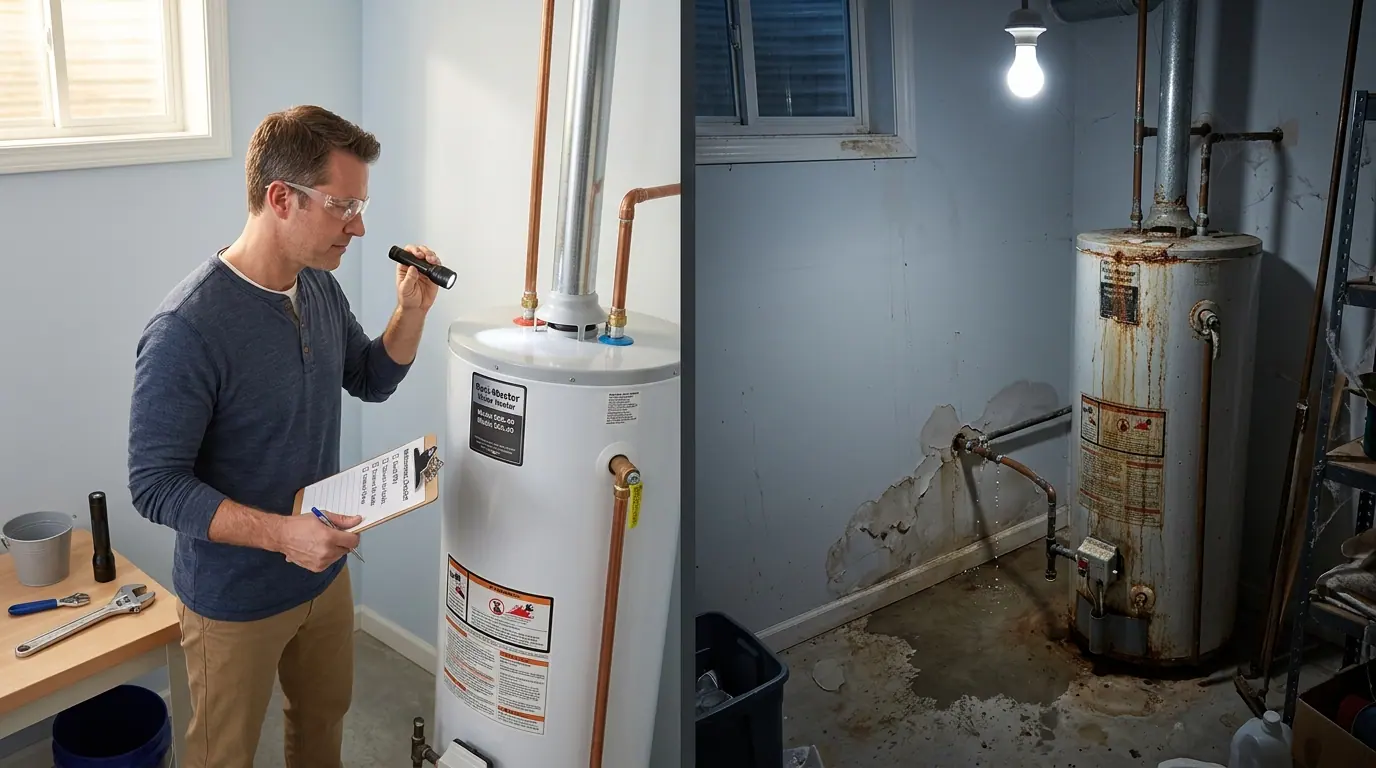
Lincoln Park homes typically use 40-50 gallon tank water heaters in basements, with units lasting 8-12 years before sediment buildup, anode rod depletion, or tank corrosion necessitates replacement. When your water heater is under 7 years old and showing problems, repair often makes sense, thermostat replacement, pilot light repair, or anode rod replacement extend the unit's life at a fraction of replacement cost.
Tankless water heater installation eliminates the storage tank entirely, heating water on-demand as it flows through the unit. For Lincoln Park homes with low-clearance basements, wall-mounted tankless units save floor space while providing unlimited hot water. The higher upfront cost (typically $3,000-$5,000 installed versus $1,200-$2,000 for tank units) pays back through energy savings and 20+ year lifespan.
Gas line capacity must support the higher BTU demand. We evaluate your existing gas service and upgrade if needed.
Sizing depends on household usage patterns and fixture count. A 2-person household with standard fixtures needs 40 gallons; 3-4 people require 50 gallons; larger families or homes with jetted tubs benefit from 75-80 gallon tanks.
Tankless units are sized by flow rate (gallons per minute) and temperature rise. We calculate based on your fixture count and simultaneous usage patterns.
Tank versus tankless comparison for Lincoln Park homes: tank units cost less upfront, work with existing gas lines, and require less maintenance; tankless units never run out of hot water, save 8-24% on energy costs annually, and fit in tight basement spaces. Michigan code requires both plumbing and mechanical permits for water heater replacement. We handle all permit coordination and inspections.
When your unit is 10+ years old or showing signs of failure (rust-colored water, tank leaks, or insufficient hot water despite repairs), replacement prevents emergency failures. Call (313) 736-9553 for sizing consultation and installation quotes.
Leak Detection & Pipe Repair Services
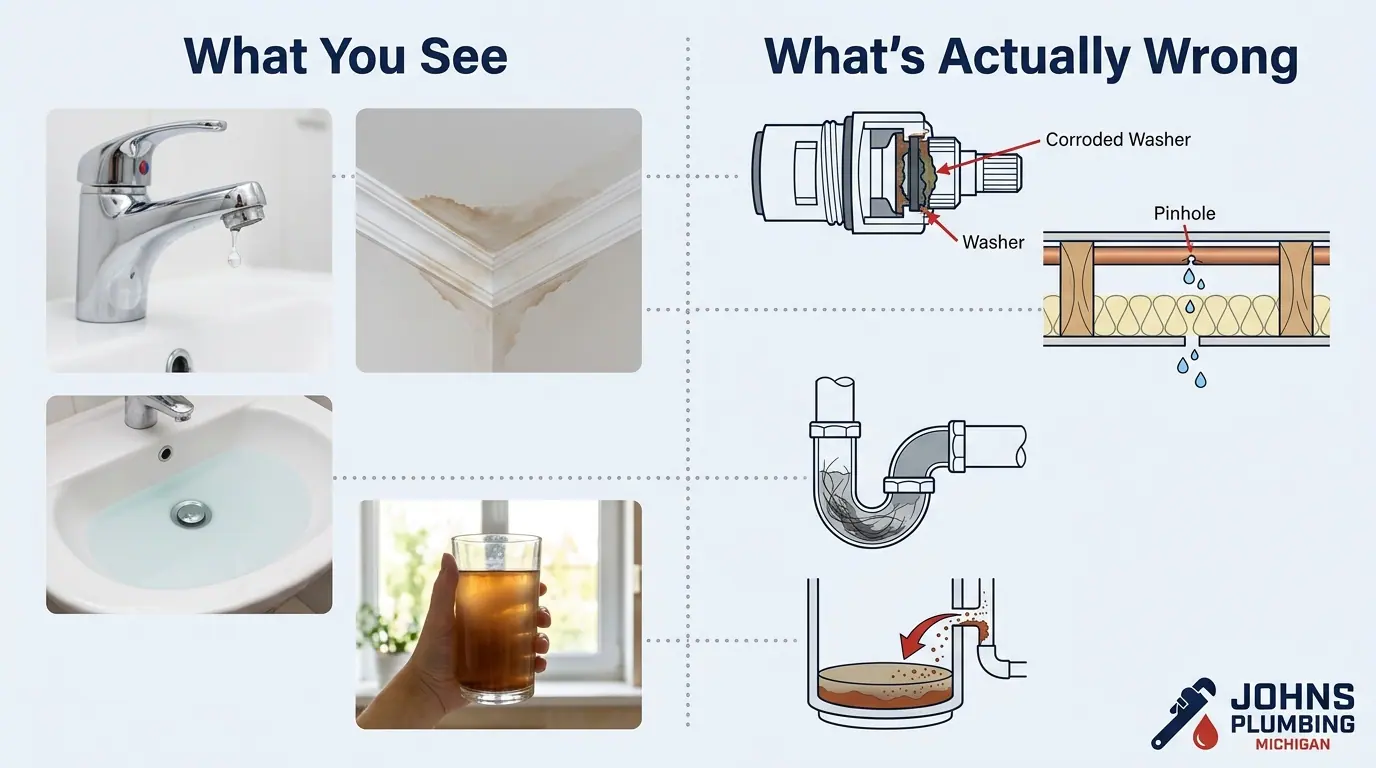
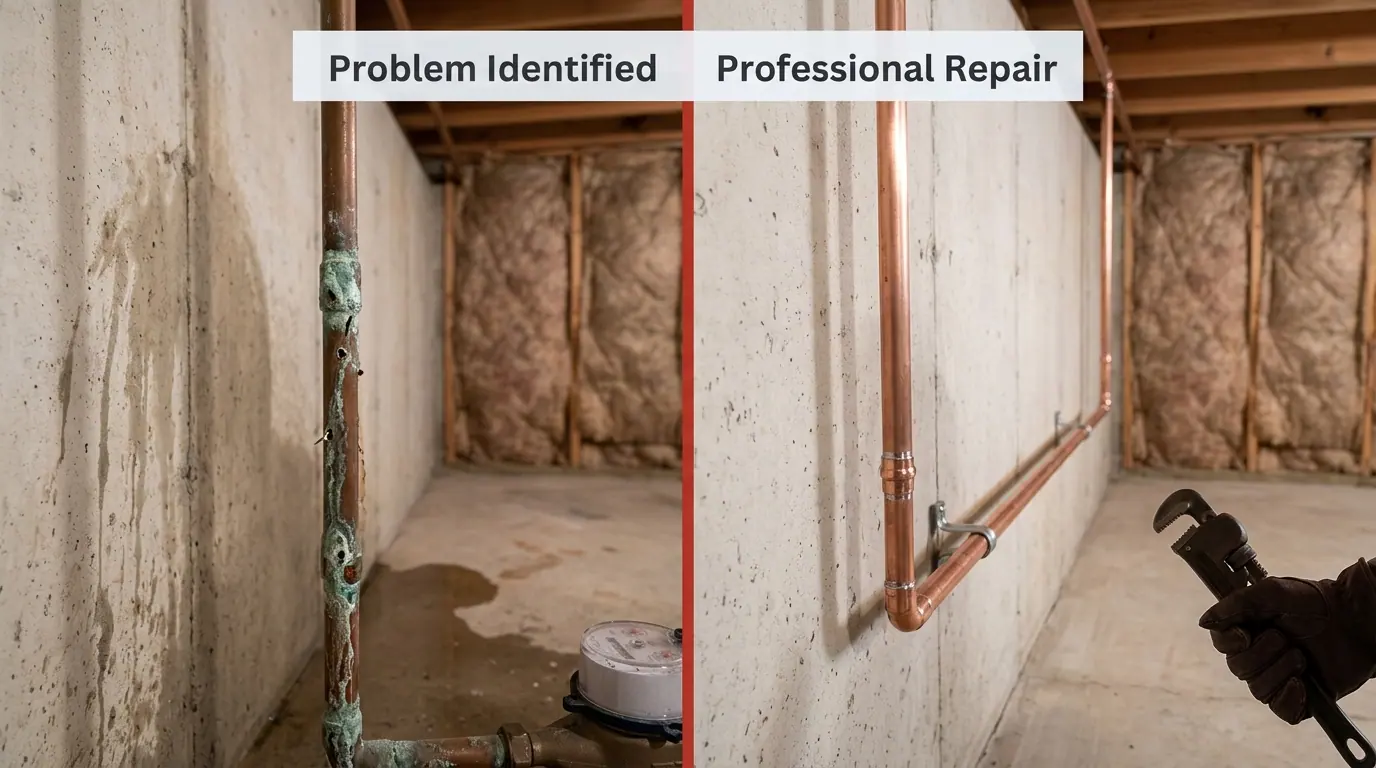
Leak detection starts with observation: unexplained water bill increases, sound of running water when all fixtures are off, wet spots on walls or ceilings, or foundation cracks near plumbing lines. For Lincoln Park homes with galvanized supply pipes installed mid-century, interior rust restricts water flow and creates pinhole leaks as corrosion eats through pipe walls from inside out.
We use acoustic detection equipment to pinpoint leak locations behind walls or under slabs without destructive exploratory demolition. Thermal imaging identifies temperature differentials where water escapes. Once located, repair method depends on pipe material, access, and extent of deterioration. Section replacement works when corrosion affects one joint or short pipe run.
We cut out the damaged section and install new copper or PEX. Epoxy lining seals pinhole leaks in accessible copper pipes without opening walls. For widespread galvanized pipe deterioration throughout the home, partial or full re-piping replaces old supply lines with modern PEX or copper.
Slab leaks occur when pipes cast in the concrete foundation develop leaks from corrosion or ground settling. We detect these through pressure testing and acoustic methods, then reroute supply lines through walls or ceilings rather than breaking up the entire slab.
Underground leaks in main water lines from street to house show up as soggy yard patches, foundation settling, or complete water loss. These require excavation and line replacement.
Frozen pipe repair peaks during Lincoln Park's January-February cold snaps when temperatures drop below 10°F for extended periods. Pipes in exterior walls, unheated crawlspaces, or near rim joists freeze when water inside expands, bursting the pipe. We thaw frozen sections with heat tape or warm air, then assess damage.
Minor splits can be soldered or compression-fitted; major ruptures need section replacement. Prevention includes pipe insulation, heat cable installation, and letting faucets drip during extreme cold.
Repair versus replacement decision factors: pipe material age (galvanized pipes over 50 years old will continue failing even after spot repairs), extent of corrosion (pinhole leaks in multiple locations indicate system-wide deterioration), access difficulty (opening walls for one repair may reveal additional hidden damage), and whether you plan long-term homeownership (re-piping adds value and prevents recurring failures).
Sewer Line Services in Lincoln Park
Sewer camera inspection uses waterproof video cameras on flexible cables to travel through your sewer line from cleanout access to the main connection, revealing cracks, root intrusion, pipe offset from ground settling, or interior corrosion. For Lincoln Park homes with original clay sewer laterals, mature tree roots exploit hairline cracks and grow into the pipe, creating catch points for debris and eventually blocking flow entirely.
Sewer line cleaning starts with cable augering to break through blockages, followed by hydro jetting to flush root masses and debris. High-pressure water cuts through root intrusions and scours pipe walls, but roots will return unless the entry points (cracks or separated joints) are sealed. When camera inspection reveals structural damage (collapsed sections, offset joints, or extensive cracking) repair or replacement becomes necessary.
Traditional excavation means digging a trench from your home to the street to expose and replace the damaged sewer line. This approach works when you need to change pipe grade (bellied pipes trap water and solids), when the entire line has deteriorated beyond repair, or when trenchless methods aren't feasible due to severe collapse. Excavation disturbs landscaping, driveways, and hardscaping in the trench path.
Trenchless sewer line replacement includes pipe bursting (pulling a new pipe through the old one while breaking it apart) and pipe lining (installing epoxy-resin liner inside the existing pipe that hardens into a new interior surface). Trenchless methods require only two small access points rather than continuous trenching, preserving your landscaping. Pipe lining works when the existing pipe maintains structural shape; pipe bursting handles collapsed or severely offset lines.
Lincoln Park's combined sewer system means your lateral connects to a street main that carries both sewage and stormwater. During heavy rainfall, system overflows can back sewage into homes. Backwater valve installation prevents this by automatically closing when flow reverses, protecting your basement from sewer backups.
Main sewer line connection to the municipal system is your responsibility from your home to the property line or street connection point (varies by municipality). We coordinate with city inspectors for any work at the connection point and handle permit requirements for main line repairs or replacements.
Fixture Installation & Repair Services
Toilet repair addresses running toilets (flapper valve or fill valve failure), toilets that won't flush (clogged trap or weak flush mechanism), and leaking base seals. When the toilet itself has cracks, chronic clog issues despite clear drain lines, or is simply outdated and inefficient (pre-1994 toilets use 3.5-5 gallons per flush versus modern 1.28 GPF models), replacement makes more sense than continued repairs.
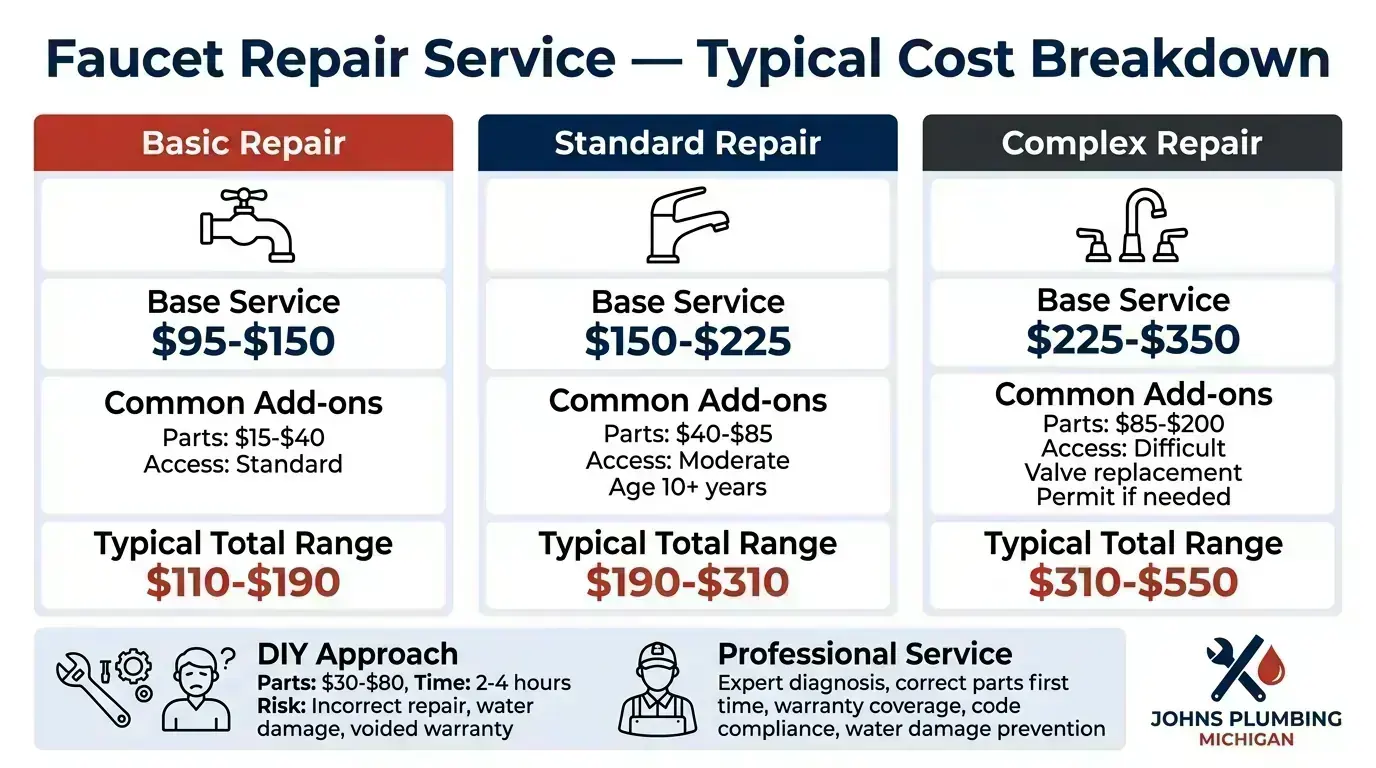
Faucet repair fixes dripping from worn cartridges, low water pressure from aerator buildup, or handle operation issues. Modern single-handle faucets use cartridge mechanisms that wear out every 8-12 years depending on water hardness.
For Lincoln Park homes with hard water from Detroit's system, mineral deposits shorten cartridge life and require more frequent service. When the faucet body corrodes, finishes deteriorate beyond replating, or you want to upgrade style and features, replacement costs typically $300-600 installed depending on fixture complexity.
Garbage disposal installation includes electrical wiring (disposal must connect to switched outlet or hardwired circuit), drain connection, and dishwasher drain tie-in if applicable. We size disposals based on household use. 1/3 HP handles light use in small households; 1/2 HP suits average families; 3/4 HP or 1 HP handles heavy use or fibrous food waste.
Disposal repairs address jams (often silverware lodged in the grinding chamber), electrical failures, or leaking seals. Units over 10 years old with recurring issues benefit from replacement rather than continued repairs.
Sump pump installation and repair proves critical for Lincoln Park's basement flooding risk during spring thaw and heavy rainfall events. The pump sits in a basin below the basement floor, automatically activating when water reaches a set level and discharging through a pipe to your yard or storm sewer.
We install battery backup systems for power outage protection (your sump pump can't protect your basement if the power's out during a storm). Annual pre-season testing ensures the float switch activates properly, the pump moves sufficient water volume, and the discharge line hasn't frozen or clogged.
Sink, bathtub, and shower fixture installation ranges from basic replacement (similar fixture in existing location) to complete reconfiguration (moving drain and supply locations, adding fixtures). We handle all rough-in plumbing, drain connections, supply line hookups, and trim work for finished installation.
Gas Line Services in Lincoln Park
Gas line installation for appliances includes water heaters, dryers, ranges, ovens, and fireplaces. We size gas lines based on appliance BTU demand, pipe length, and number of appliances.
Undersized gas lines cause poor appliance performance and safety risks. Black iron pipe remains the standard for gas line installation in most areas, though some jurisdictions allow CSST (corrugated stainless steel tubing) for easier routing through finished spaces.
Gas leak detection uses electronic gas detectors, pressure testing, and soap bubble solution to identify leak locations. Natural gas odorizes include mercaptan (rotten egg smell) for leak detection, if you smell gas, evacuate immediately, call 911, then call (313) 736-9553 once safe.
Gas leaks at appliance connections, pipe joints, or damaged lines require immediate professional attention. We perform pressure testing on all gas line installations and repairs to verify leak-free operation before restoring gas service.
Gas line pressure testing ensures system integrity after installation, modification, or when investigating suspected leaks. We isolate the section being tested, apply air pressure above operating pressure, and monitor for pressure drop over time.
Michigan code requires pressure testing for all new gas line work. We document test results for building inspection compliance.
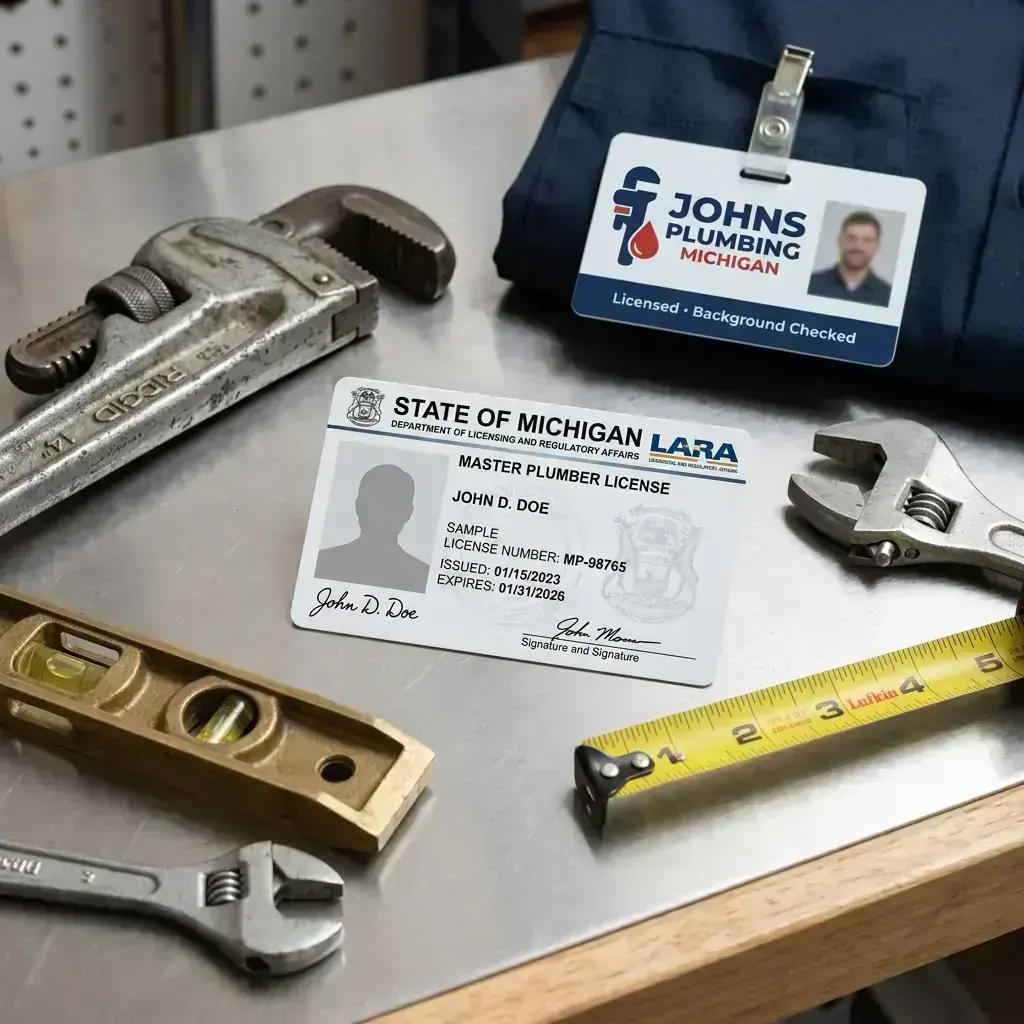
Gas line repair and replacement addresses corroded pipes (particularly in basements with moisture issues), damaged lines from renovation work, or undersized lines that need upgrading for new appliances. Gas line work requires Michigan plumbing license with gas certification. Unlicensed work violates state law and creates serious safety and liability risks.
Safety protocols include proper pipe support to prevent stress on joints, approved fittings and materials, leak testing before service restoration, and permit coordination with building inspection. Gas line permits ensure work meets Michigan Plumbing Code requirements and receives proper inspection before covering or using.
Your homeowner's insurance may deny claims for unpermitted gas line work. Call (313) 736-9553 for gas line installations, leak detection, and certified repair service throughout Lincoln Park.