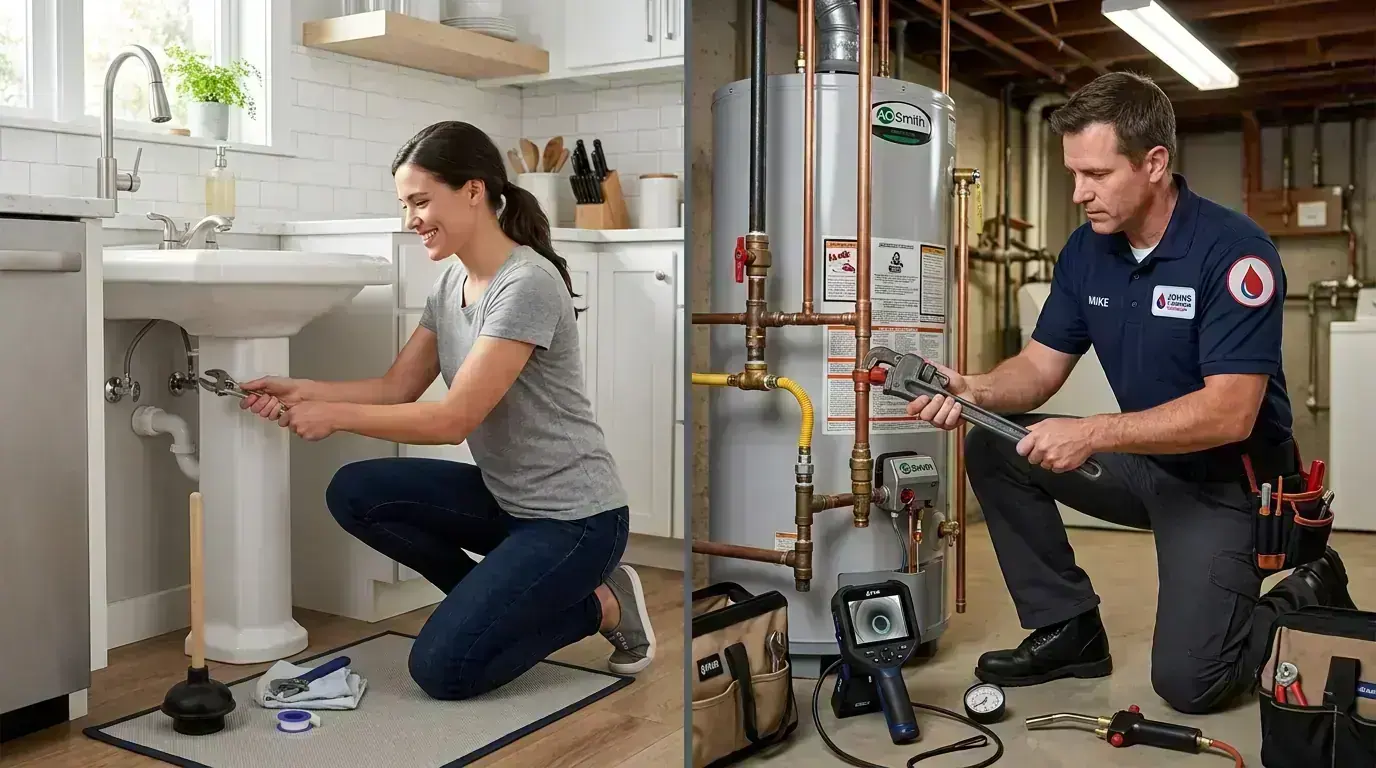
Johns Plumbing Michigan provides comprehensive residential plumbing services throughout Port Huron and St. Clair County, covering emergency repairs, routine maintenance, and complete system installations.
Our licensed technicians handle drain and sewer line services, water heater repair and replacement, leak detection and pipe repair, fixture installation, and gas line work. Below is detailed coverage of each service category, methods used, and when Port Huron homeowners typically need each service.
Drain Cleaning & Clog Removal Services in Port Huron
Kitchen sink, bathroom sink, tub, shower, toilet, and floor drain clogs all respond to professional drain cleaning methods tailored to the blockage type and location. When homeowners notice slow draining, gurgling sounds, or standing water, we determine whether cable snaking or hydro jetting will resolve the issue most effectively.
Cable snaking works for most routine clogs within fixture drains, grease buildup in kitchen sinks, hair and soap in bathroom drains, or foreign objects lodged in trap bends. A flexible metal cable spins through the pipe to break up blockages mechanically. This method suits single-fixture clogs where the obstruction sits relatively close to the drain opening.
For tougher clogs involving scale buildup, hardened grease, or root intrusion in main sewer lines, hydro jetting uses high-pressure water streams (up to 4,000 PSI) to scour pipe walls clean. Port Huron's hard water from Lake Huron accelerates mineral scale formation inside pipes, making hydro jetting particularly effective for clearing accumulated deposits that cable snaking leaves behind.
When multiple drains throughout the home slow down simultaneously, the problem usually lies in the main sewer line rather than individual fixtures. Tree roots penetrate aging clay sewer pipes common in older Port Huron neighborhoods, creating recurring clogs that require root removal via hydro jetting and camera inspection to assess pipe condition. If camera inspection reveals extensive root damage or collapsed pipe sections, we discuss repair versus replacement options based on the severity of deterioration.
Floor drains in Port Huron basements sometimes back up during heavy spring rains when storm sewer systems become overwhelmed. Regular maintenance cleaning prevents debris accumulation that compounds flooding risk. We also inspect floor drain traps to ensure proper sealing that prevents sewer gas infiltration.
Call (313) 736-9553 for professional drain cleaning when DIY plungers and liquid drain cleaners fail to resolve persistent clogs or when multiple drains show simultaneous symptoms.
Water Heater Repair & Replacement Services
Port Huron homeowners face water heater decisions involving repair versus replacement, tank versus tankless technology, and sizing appropriate to household demand. We help navigate these choices based on the unit's age, condition, failure mode, and long-term cost considerations.
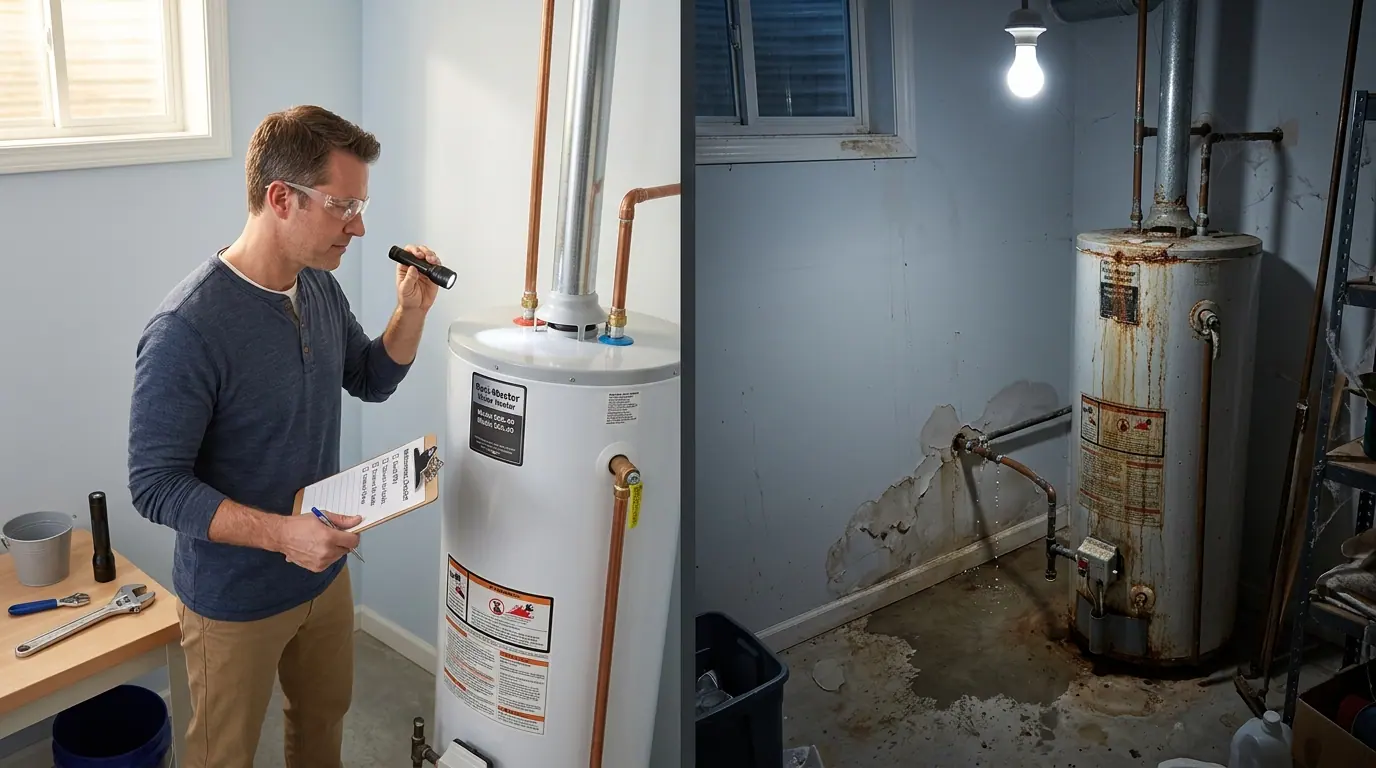
Tank water heaters typically last 8-12 years in Port Huron's hard water environment. Sediment from dissolved minerals accumulates in the tank bottom, reducing efficiency and eventually causing tank corrosion. Repairable issues include pilot light problems (common with gas water heaters where the thermocouple fails), thermostat calibration, or anode rod replacement.
The anode rod, a sacrificial component designed to corrode instead of the tank itself, requires replacement every 3-5 years in hard water areas to extend tank life. When tanks leak from the bottom or show extensive rust on the exterior, replacement becomes necessary because tank integrity cannot be restored.
Tankless water heaters deliver hot water on demand without storage tanks, eliminating standby heat loss. Installation requires adequate gas line capacity (for gas models) or electrical service upgrades (for electric models), plus proper venting. Port Huron homes converting from tank to tankless sometimes need gas line sizing adjustments to supply the higher BTU demand of tankless units.
Benefits include continuous hot water supply, longer equipment lifespan (15-20 years), and smaller footprint, valuable in tight basement installations. However, initial installation costs run higher than tank replacements, and hard water requires periodic descaling to maintain heat exchanger efficiency.
Sizing guidance depends on household size and simultaneous demand. A family of four typically needs a 40-50 gallon tank water heater or a tankless unit rated for 7-9 gallons per minute. Undersized units leave homeowners running out of hot water during peak morning routines; oversized units waste energy heating water that sits unused.
No hot water in winter constitutes an emergency for Port Huron families. Pilot light failures, tripped breakers, faulty thermostats, or sediment buildup blocking gas burners all disrupt heating. We diagnose the cause and restore hot water promptly, advising whether repair or replacement makes economic sense based on the unit's age and repair cost as a percentage of replacement cost.
For water heater service in Port Huron (repair, replacement, or efficiency upgrades) call (313) 736-9553 for sizing consultation and installation.
Leak Detection & Pipe Repair Services
Hidden leaks waste water, damage property, and drive up utility bills before homeowners notice visible symptoms. Port Huron's freeze-thaw cycles stress underground pipes, while hard water corrodes pipe interiors over time. We detect leaks using visual inspection, acoustic listening devices, and thermal imaging cameras that reveal temperature differentials behind walls or under slabs.
Slab leaks, leaks beneath concrete foundation slabs, show up as warm floor spots (hot water leaks), unexplained water bill increases, or foundation cracks from soil erosion underneath. Acoustic detection pinpoints leak location without exploratory demolition. Once located, repair options include accessing the pipe through the slab, rerouting supply lines to bypass the damaged section, or epoxy lining to seal pinhole leaks from inside the pipe.
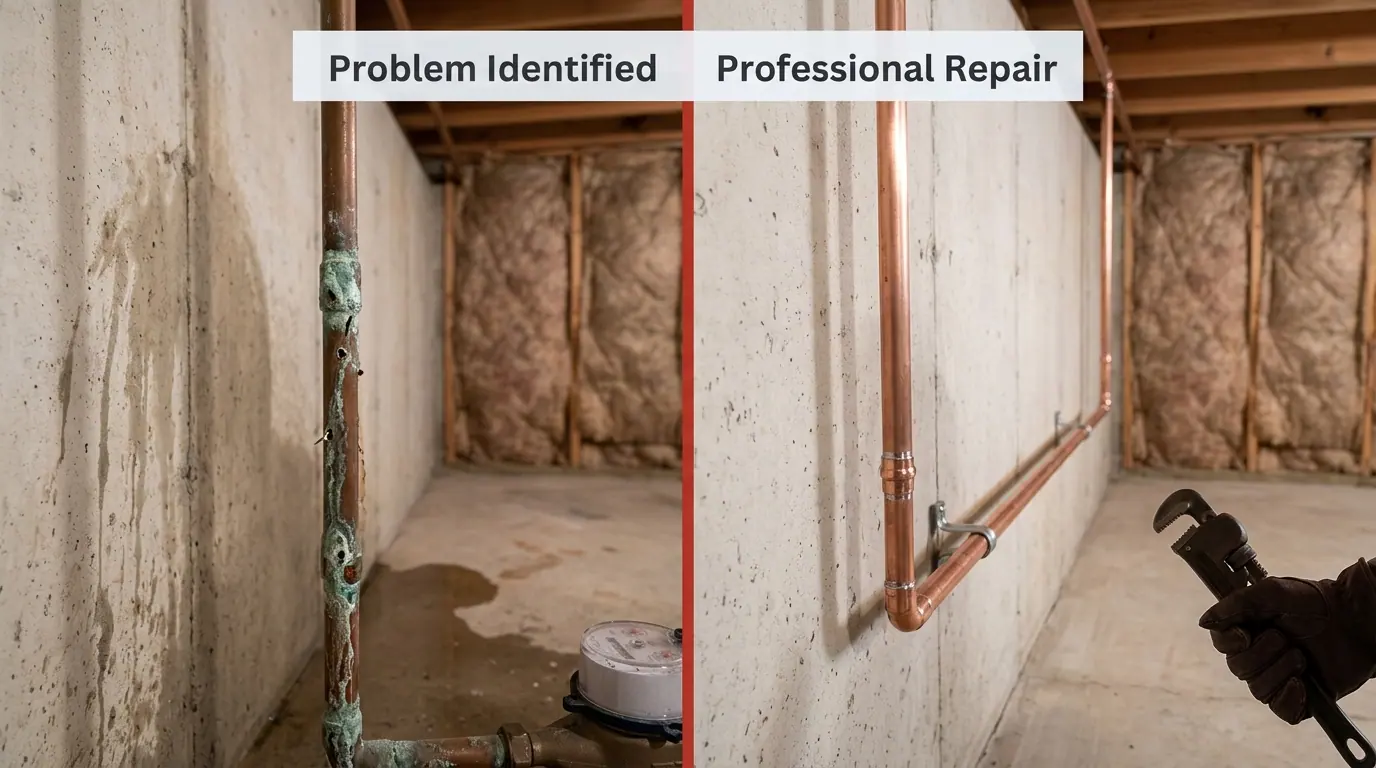
Underground main water line leaks create soggy yard patches, foundation settlement, or sudden pressure drops. Port Huron's clay and sandy soil shifts during freeze-thaw cycles, stressing rigid pipe materials. Copper pipes develop pinhole leaks from both external soil corrosion and internal erosion from acidic water.
Galvanized steel pipes in homes built before 1960 corrode internally, reducing flow and eventually failing. When main line leaks occur, we locate the failure point, excavate access, and replace the damaged section or install full line replacement if corrosion appears systemic.
Wall and ceiling leaks often originate from supply line failures, drain line backups, or fixture connection failures. Water stains, mold growth, or peeling paint signal active leaks requiring immediate attention to prevent structural damage. We trace leak sources, access concealed plumbing, repair or replace failed components, and coordinate with homeowners on drywall repair needs.
Frozen pipe repair addresses burst pipes and cracked fittings after Port Huron's harsh winters. When temperatures drop below 20°F for extended periods, pipes in unheated basements, crawl spaces, or exterior walls freeze. Ice expansion bursts copper pipes or cracks joints.
Professional thawing prevents additional damage DIY heat application risks. After thawing, we pressure-test lines to identify cracks requiring replacement before restoring water service.
Repair versus full re-piping depends on failure extent. Isolated leaks warrant targeted repair; multiple failures in aging pipe indicate systemic deterioration justifying whole-house re-piping. Port Huron homes with original galvanized pipes from pre-1980 construction face widespread corrosion; re-piping with copper or PEX eliminates ongoing leak risk and restores full pressure.
Sewer Line Services in Port Huron
Port Huron's older neighborhoods contain clay sewer pipes susceptible to tree root intrusion, ground settling, and age-related deterioration. Sewer line issues progress from slow drains to complete backups, requiring camera inspection to diagnose root cause and appropriate repair method.
Sewer camera inspection threads a waterproof camera through cleanout access into the sewer line, transmitting real-time video showing pipe condition, blockage location, root intrusion extent, and structural defects like cracks or bellied sections. Camera footage reveals whether hydro jetting will clear blockages or whether pipe damage requires repair or replacement. We provide homeowners with inspection recordings showing exactly what we found and why we recommend specific solutions.
Tree roots infiltrate clay pipe joints seeking water and nutrients. Once inside, roots expand and trap debris, creating recurring clogs. Hydro jetting cuts roots flush with pipe walls, restoring flow temporarily, but roots regrow within 1-3 years.
For persistent root intrusion, trenchless pipe lining installs epoxy-coated sleeves inside existing pipes, creating seamless barriers roots cannot penetrate. This approach costs more upfront than repeated hydro jetting but eliminates recurring clogs permanently.
Traditional excavation replaces collapsed or extensively damaged sewer lines by digging trenches from the home to the municipal connection point. This method suits situations where pipe has completely failed or where landscaping restoration poses minimal concern. Trenchless methods, pipe bursting and pipe lining, minimize excavation.
Pipe bursting pulls a new pipe through the old one while fracturing the deteriorated pipe outward. Pipe lining inserts epoxy-impregnated fabric that cures in place, forming a new pipe inside the old one without digging up yards or driveways.
When multiple fixtures back up simultaneously or sewage odor appears indoors, main sewer line blockage has occurred. Immediate camera inspection and hydro jetting clear emergency backups, followed by structural assessment to determine if repairs prevent future failures. Port Huron homeowners dealing with recurring sewer issues benefit from proactive camera inspection that identifies problems before backups damage basements or force emergency calls.
Call (313) 736-9553 for sewer camera inspection when you notice slow drains throughout the house, gurgling toilets, or sewage smells that indicate main line trouble.
Fixture Installation & Repair Services
Toilets, faucets, garbage disposals, sinks, tubs, showers, and sump pumps all wear out or fail over time. Deciding between repair and replacement depends on the fixture's age, failure type, and whether replacement offers efficiency or convenience upgrades.
Toilet repairs address running toilets (flapper valve failures wasting water continuously), toilets that won't flush (lift chain breaks or flapper seal deterioration), and toilets that constantly refill (fill valve failures). These repairs cost substantially less than toilet replacement and restore normal function.
When toilets crack, leak at the base despite wax ring replacement, or require multiple repairs within short periods, replacement makes better economic sense. 5-7 gallons for toilets installed before 1994, reducing water bills significantly in Port Huron homes with older fixtures.
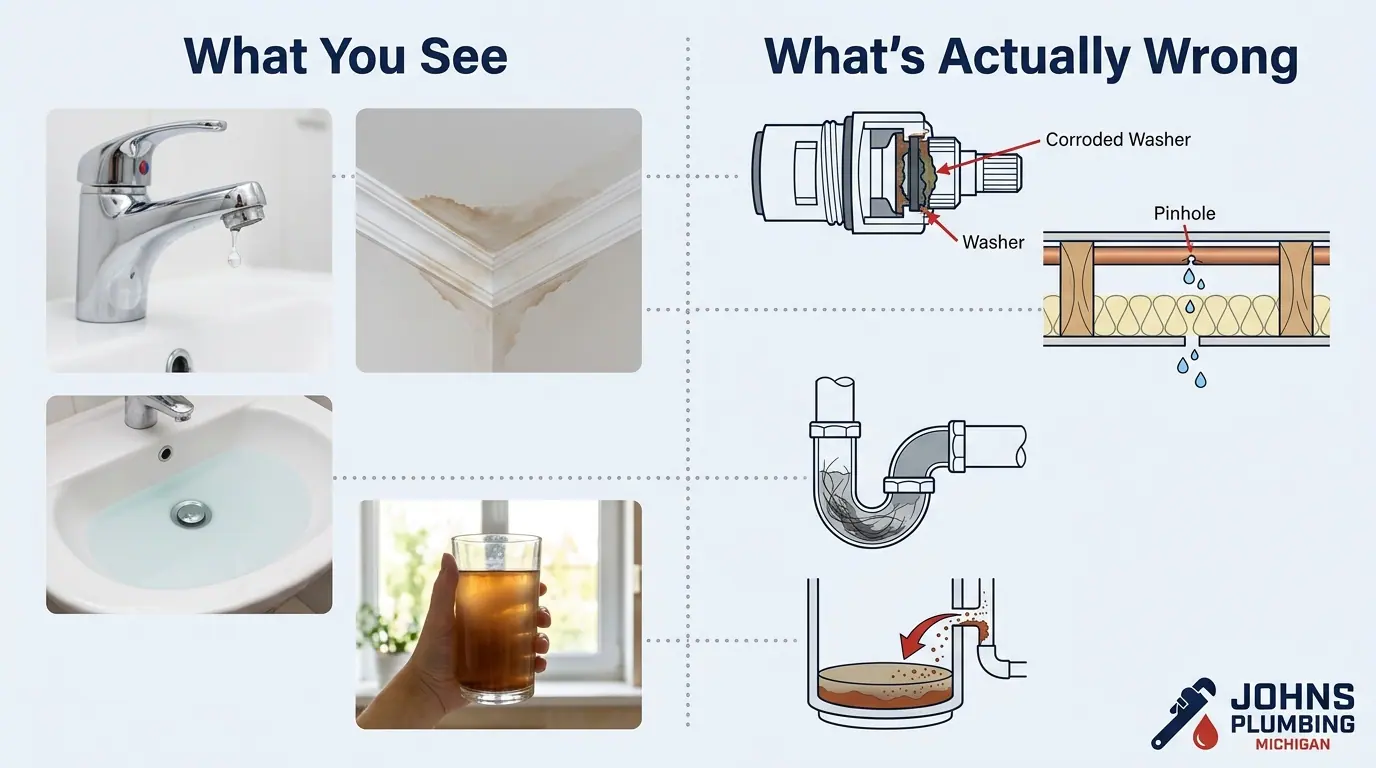
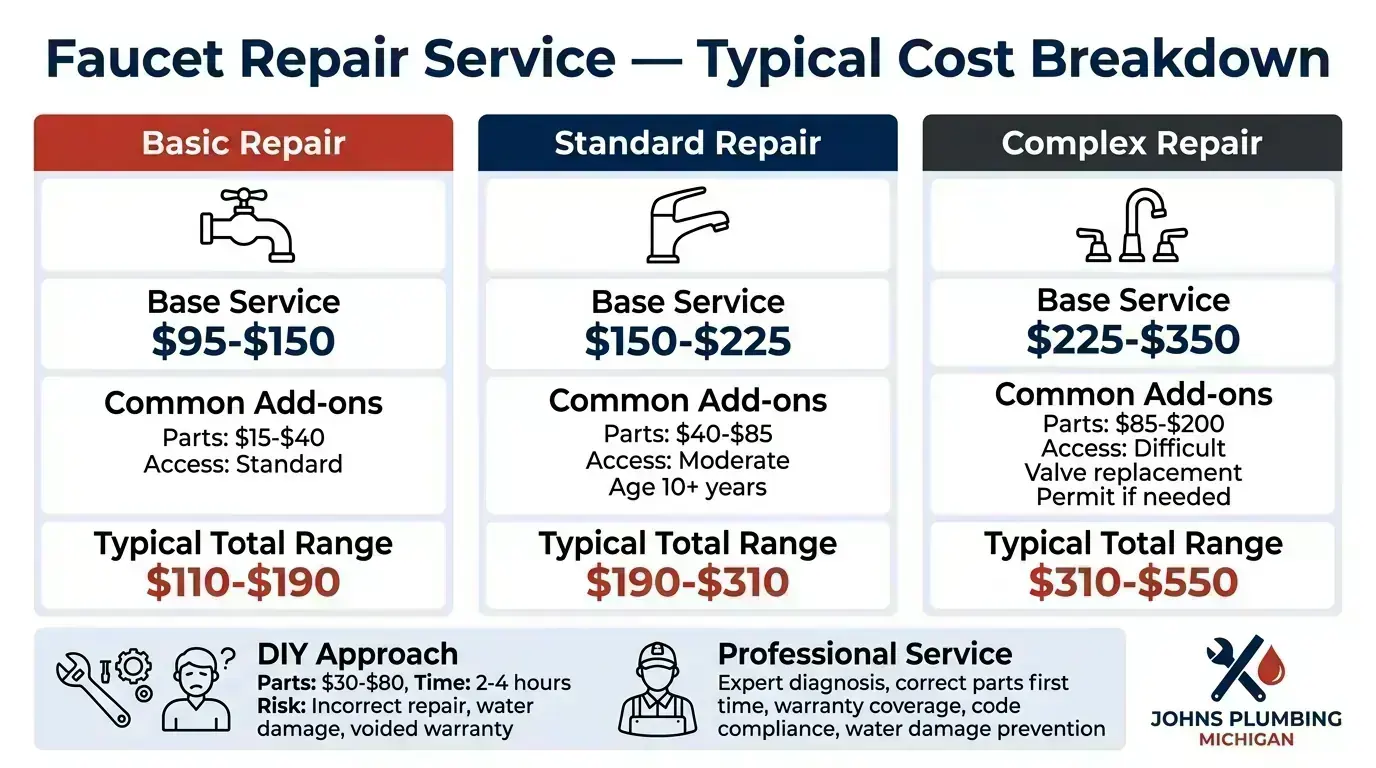
Faucet repair fixes drips from worn washers, O-rings, or cartridge seals. Kitchen and bathroom faucets develop leaks at handles or spouts as internal seals deteriorate from hard water deposits.
When faucet bodies corrode, spouts freeze from mineral buildup, or repairs approach half the replacement cost, new faucet installation makes sense. We help homeowners select fixtures appropriate to their sinks and water pressure conditions.
Garbage disposal repair addresses jammed impellers, tripped reset buttons, or motor failures. Disposals jam when hard objects enter the grinding chamber; we clear jams and test motor function.
Units older than 8-10 years with motor failures warrant replacement rather than motor rebuild. Installation includes proper drain connections and dishwasher discharge lines where applicable.
Sump pump installation and repair prevents Port Huron basement flooding during heavy spring rains and snowmelt. Sump pumps fail when float switches stick, impellers clog with debris, or motors burn out from continuous operation during extreme weather.
We test pumps before spring flood season, install battery backup systems for power outage protection, and replace failed units promptly to avoid basement water damage. Primary pump plus battery backup provides dual protection when storm sewer systems become overwhelmed.
Gas Line Services
Gas line work requires specialized licensing and safety protocols due to explosion and asphyxiation risks. We install gas lines for water heaters, clothes dryers, ranges, cooktops, and fireplaces; detect and repair gas leaks; conduct pressure testing; and ensure compliance with Port Huron building codes and Michigan gas fitting regulations.
Gas leak detection responds to natural gas odor (rotten egg smell added to odorless gas), hissing sounds near gas lines, dead vegetation along underground gas routes, or physical symptoms like headaches and nausea indicating gas exposure. If you smell gas, evacuate immediately, avoid ignition sources, call 911 from outside the home, then contact us at (313) 736-9553 for emergency gas line service. We use electronic gas detectors and soap bubble testing to pinpoint leak locations, shut off gas supply, repair or replace damaged sections, and pressure-test repairs before restoring service.
Gas line installation for new appliances involves running properly sized black iron pipe or CSST (corrugated stainless steel tubing) from the meter to appliance locations, installing shut-off valves, and leak-testing all connections. Port Huron homes converting electric water heaters to gas require gas line extensions and proper venting. We coordinate permits with the building department and schedule required inspections.
Gas line pressure testing verifies system integrity after installation or repairs. Michigan code requires pressure tests at 1.5 times operating pressure, held for specified durations, to prove no leaks exist before concealing pipes in walls or underground. We document test results and provide certification for permit closure.
Safety protocols include proper pipe sizing for gas demand, adequate ventilation for combustion appliances, carbon monoxide detector installation, and seismic shut-off valves where codes require. We explain gas safety to homeowners and ensure all work meets manufacturer specifications and local regulations.