
Emergency Plumbing
Emergency repair for active leaks, burst pipes, sewage backups, gas odors and sudden loss of water.
See emergency plumbing detailsResidential plumbing service
Testing, repair and replacement for primary pumps, discharge piping and battery backup protection.
Call to confirm current coverage, provider credentials, pricing and arrival timing.
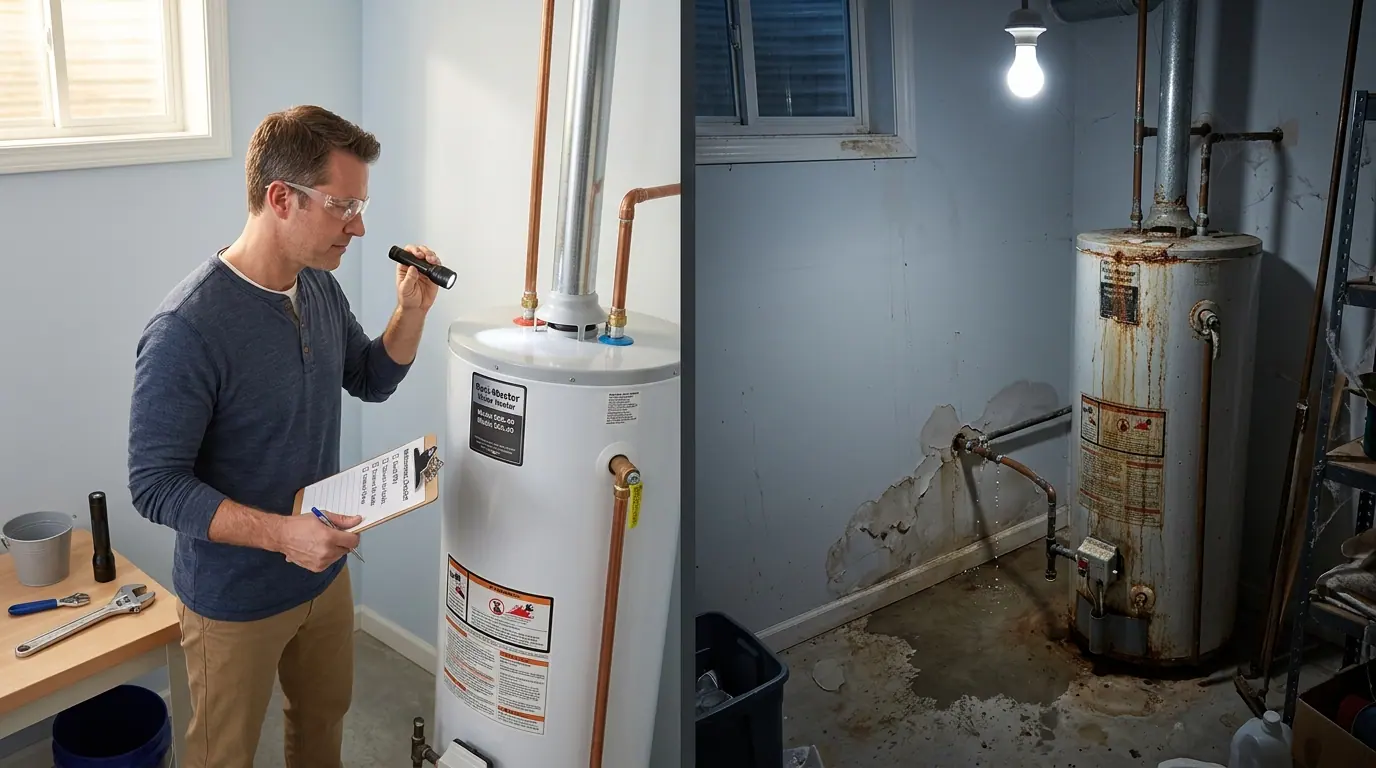
Open your city page for local pricing, permit requirements and the conditions that drive this repair in your area.
Follow the manufacturer instructions. A controlled water test should raise the float, start the pump, discharge water and stop cleanly without unsafe electrical contact.
Possible causes include continued water entry, a stuck float, a blocked discharge, a failed check valve or an undersized pump.
No. A battery-backed secondary pump and a generator solve different failure scenarios. Discuss runtime, maintenance and load requirements before choosing.
Emergency repair for active leaks, burst pipes, sewage backups, gas odors and sudden loss of water.
See emergency plumbing detailsHelp distinguishing a single-fixture clog from a branch or main-line drainage problem.
See drain cleaning detailsRepair and replacement for leaking tanks, inconsistent hot water, unusual noises, plus new installation.
See water heaters detailsPractical checks for visible and hidden water leaks before damage spreads.
See leak detection detailsCamera inspection, cleaning and repair for recurring main-line clogs, sewage backups and root intrusion.
See sewer lines detailsTesting, repair and replacement for primary pumps, discharge piping and battery backup protection.
See sump pumps details